BOOK
After the Collapse
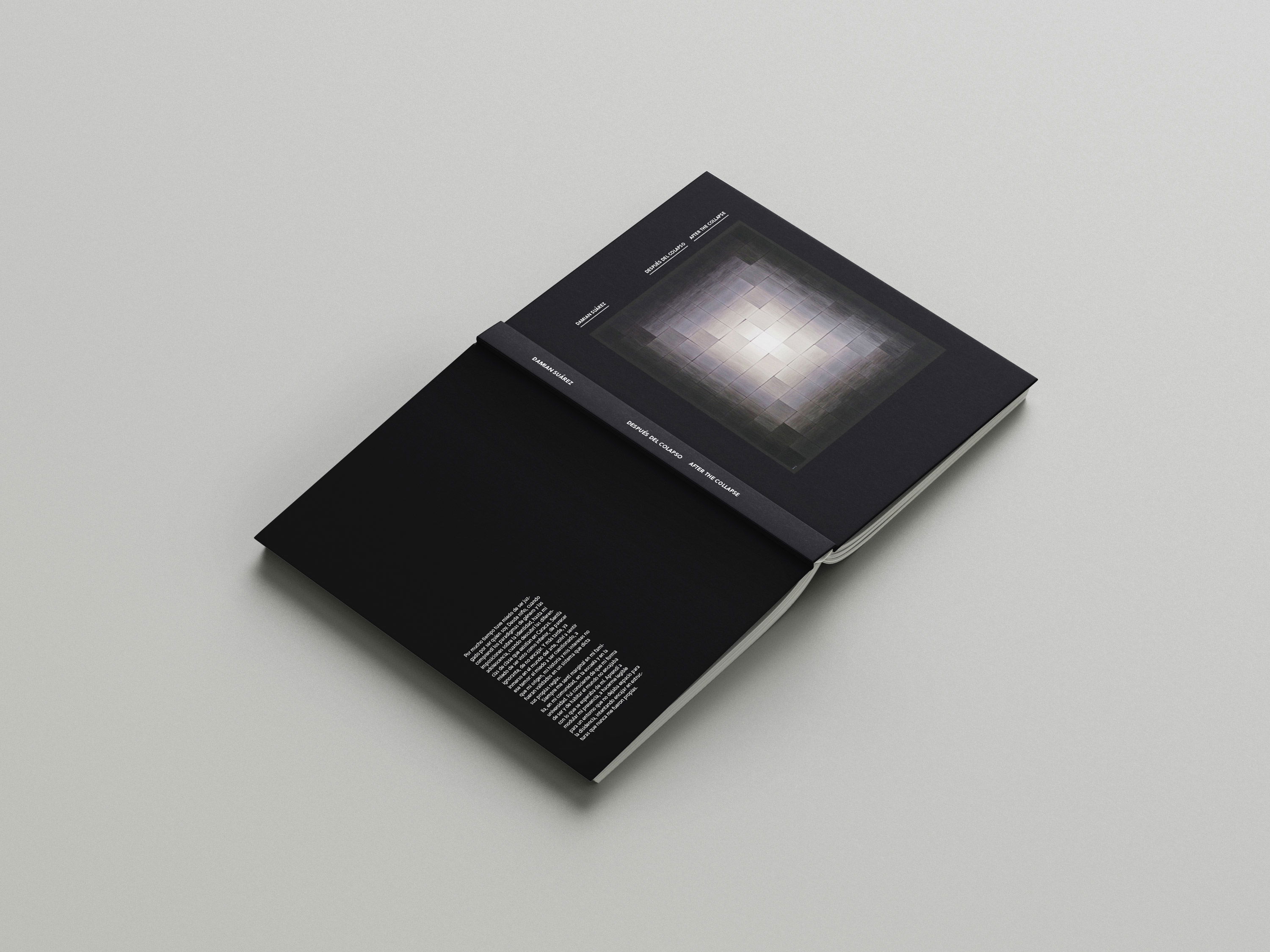
After the Collapse is a biographical essay by Venezuelan-Mexican artist Damián Suárez that intertwines family memory, political his-tory, and aesthetic heritage. From his peasant grandparents in La Eneca to his exile in Mexico, Suárez reconstructs an intimate and collective narrative about the the unfulfilled promise of modernization in Venezuela.
The book traces the arc of a country, from the emancipatory dream of Bolívar and Miranda, the modernizing drive of Guzmán Blanco, oil-fueled splendor, and finally to the institutional collapse that triggered the largest migration in its his-tory.
After the Collapse is a biographical essay by Venezuelan-Mexican artist Damián Suárez that intertwines family memory, political his-tory, and aesthetic heritage. From his peasant grandparents in La Eneca to his exile in Mexico, Suárez reconstructs an intimate and collective narrative about the the unfulfilled promise of modernization in Venezuela.
The book traces the arc of a country, from the emancipatory dream of Bolívar and Miranda, the modernizing drive of Guzmán Blanco, oil-fueled splendor, and finally to the institutional collapse that triggered the largest migration in its his-tory.
At the same time, it underlines the power of modern Venezuelan art-Soto, Cruz-Diez, Otero, Manaure, Navarro-and how Venezuela became a laboratory for experimentation for art and architecture, with strong international influence and the paradox of a cultural project that coexisted with structural inequalities.
About the Book
After the Collapse is a publication that brings together rural memory, family lineage, and the political evolution of Venezuela during the twentieth and twenty-first centuries.
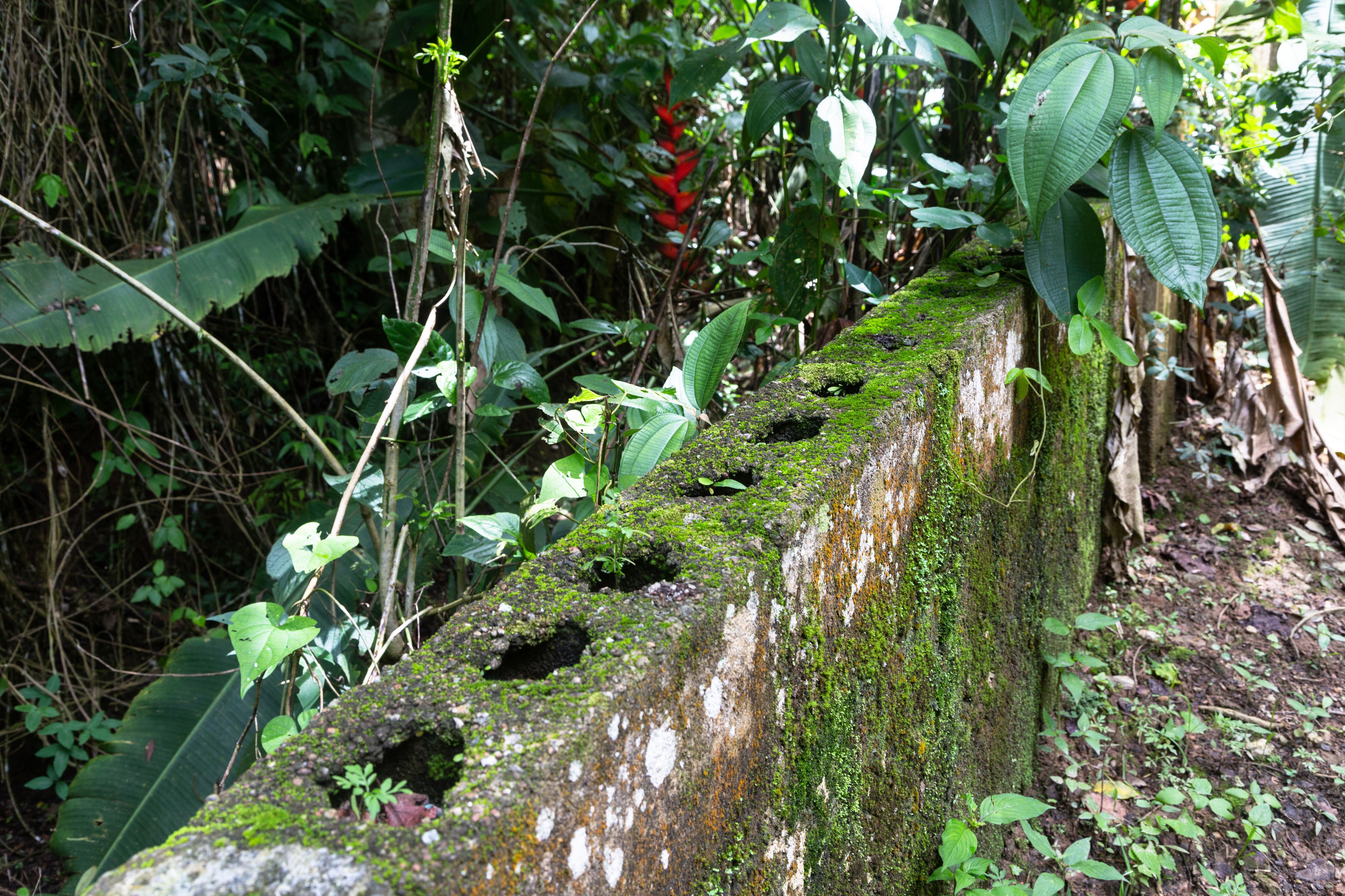
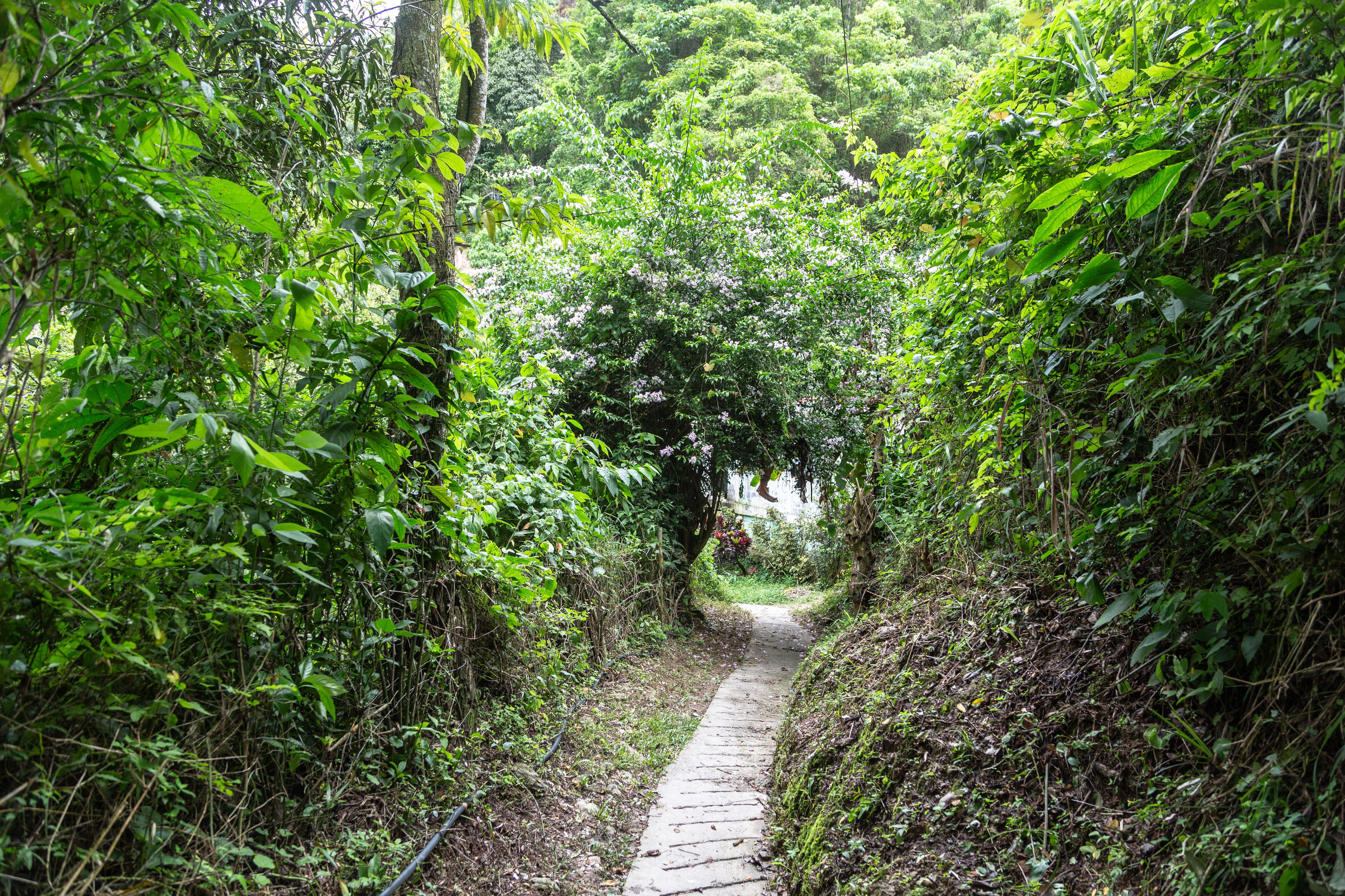
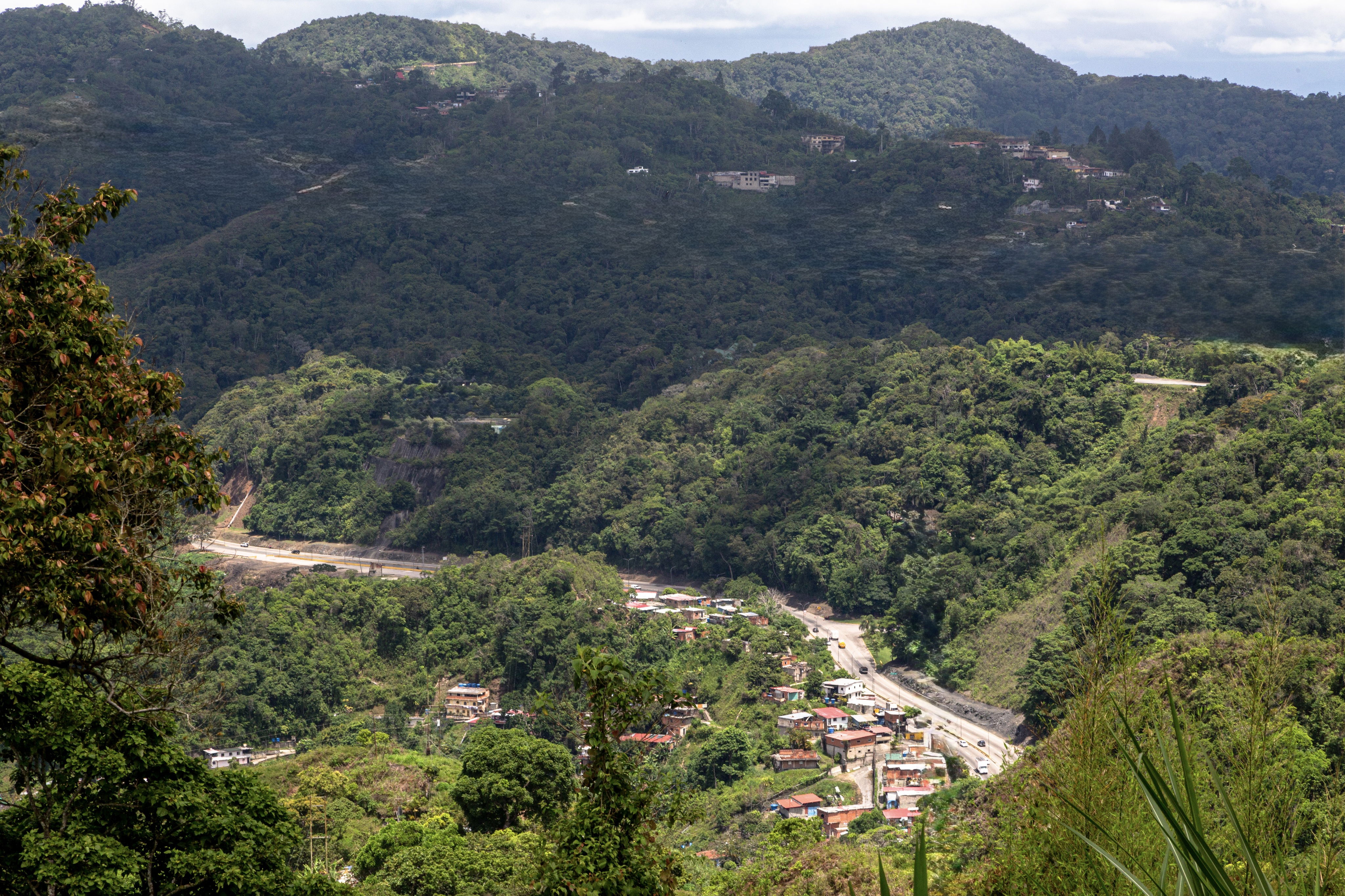
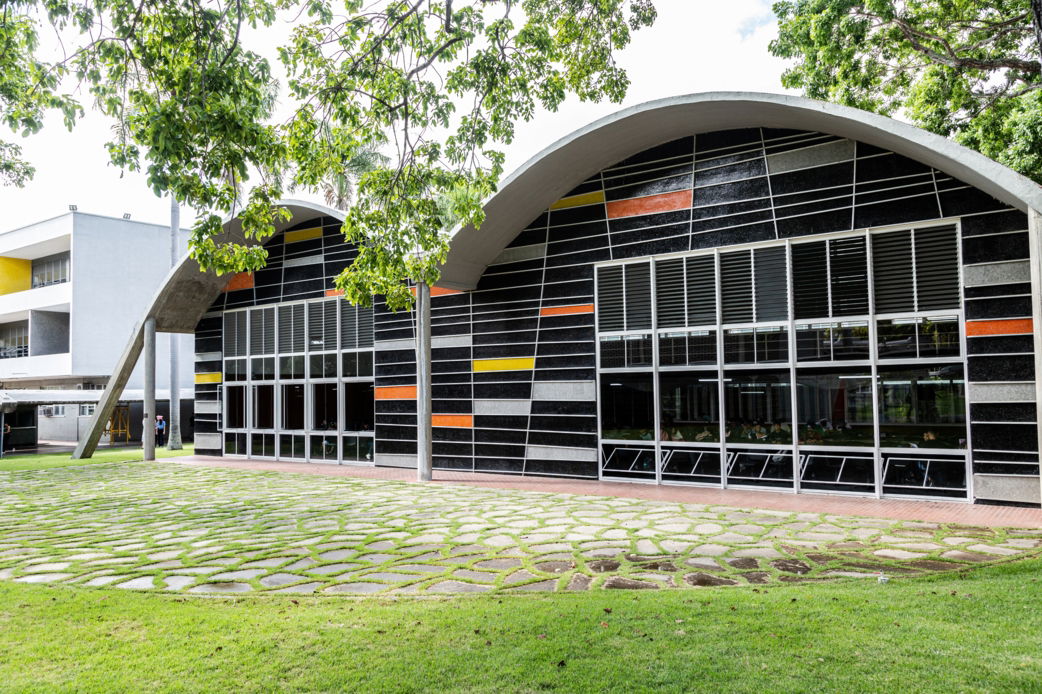
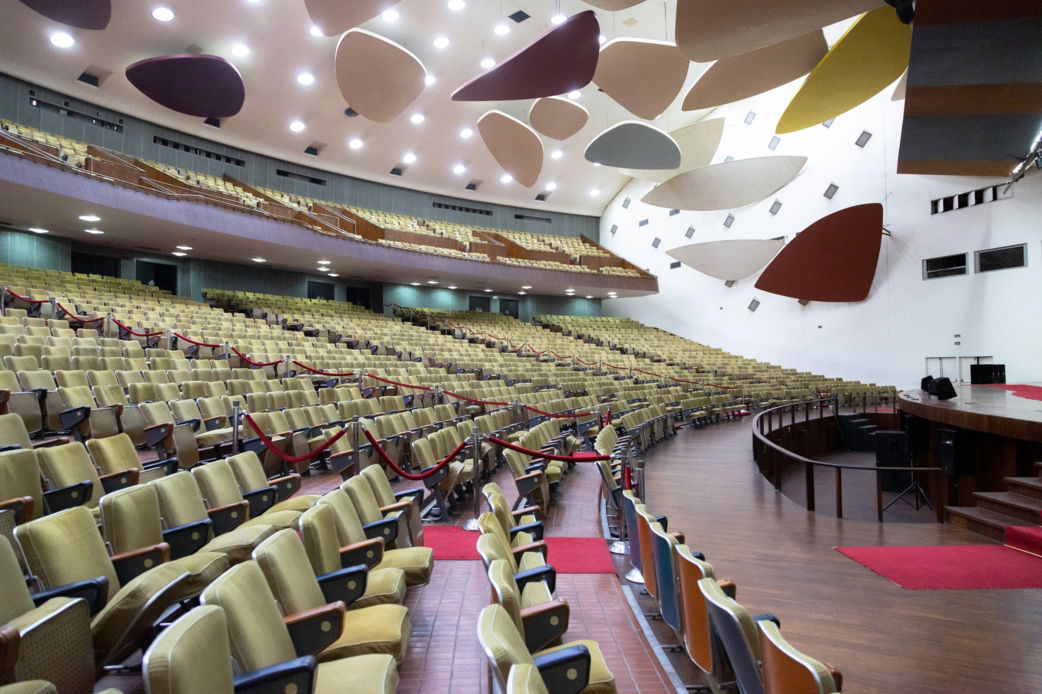
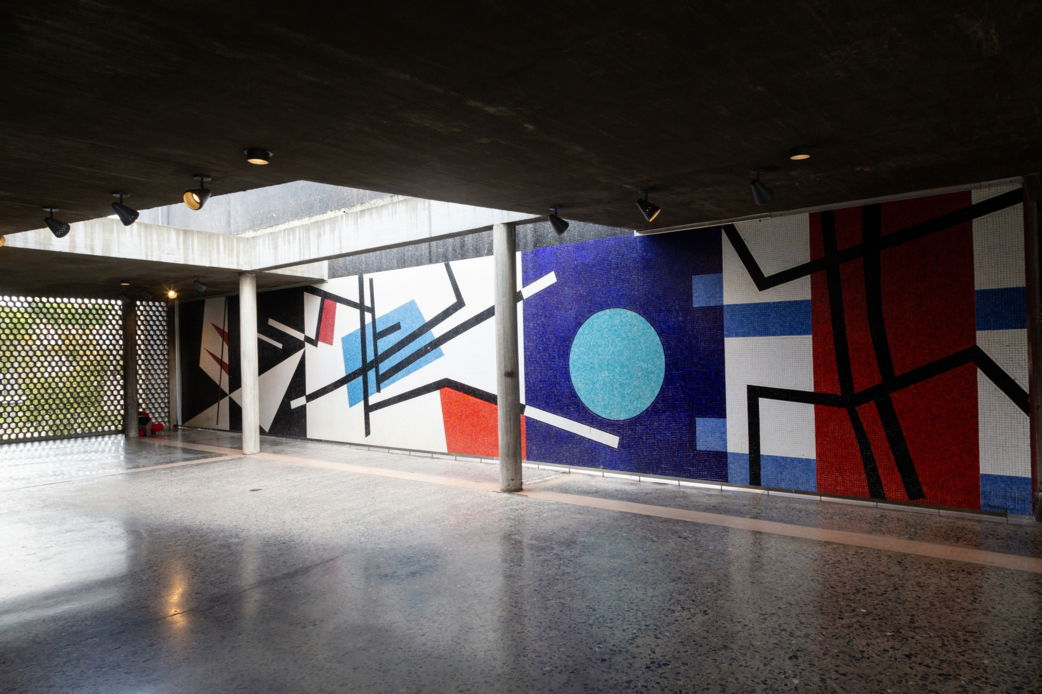
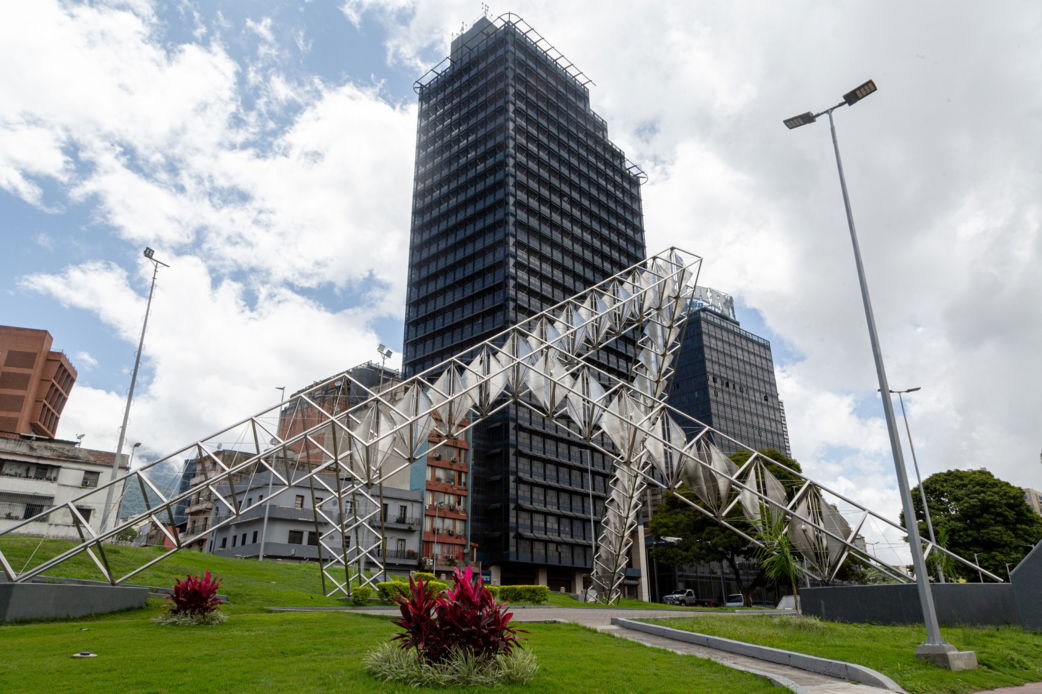
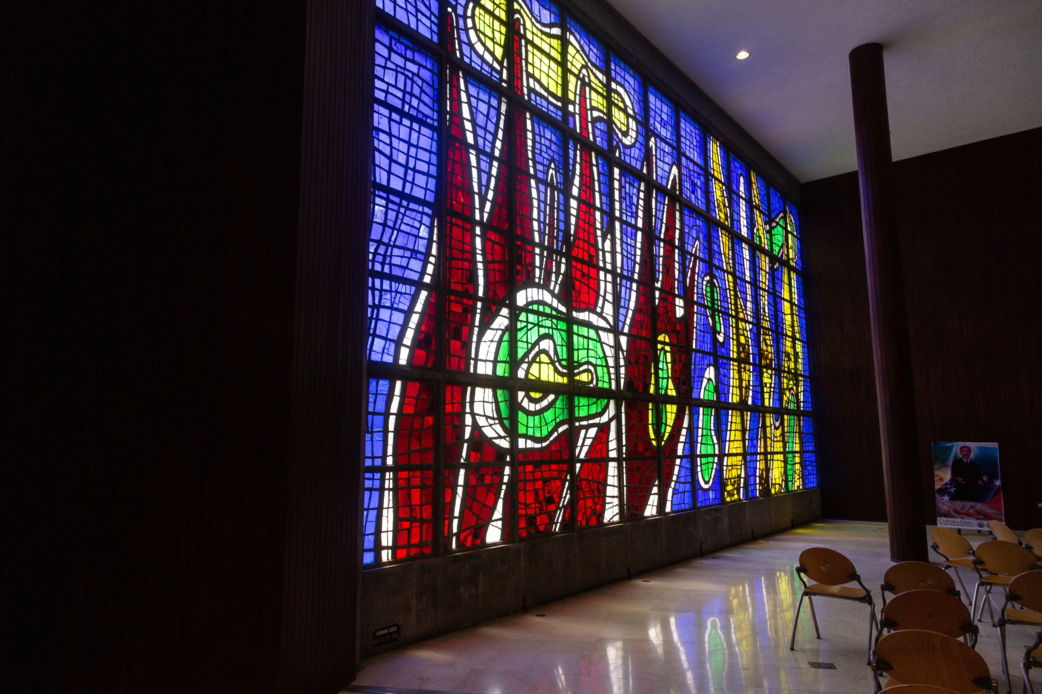
The book connects the artist’s ancestral history in La Eneca—a rural settlement in the Altos Mirandinos founded by his peasant grandparents—with the monumental tradition of Venezuelan modernism and its public artworks.
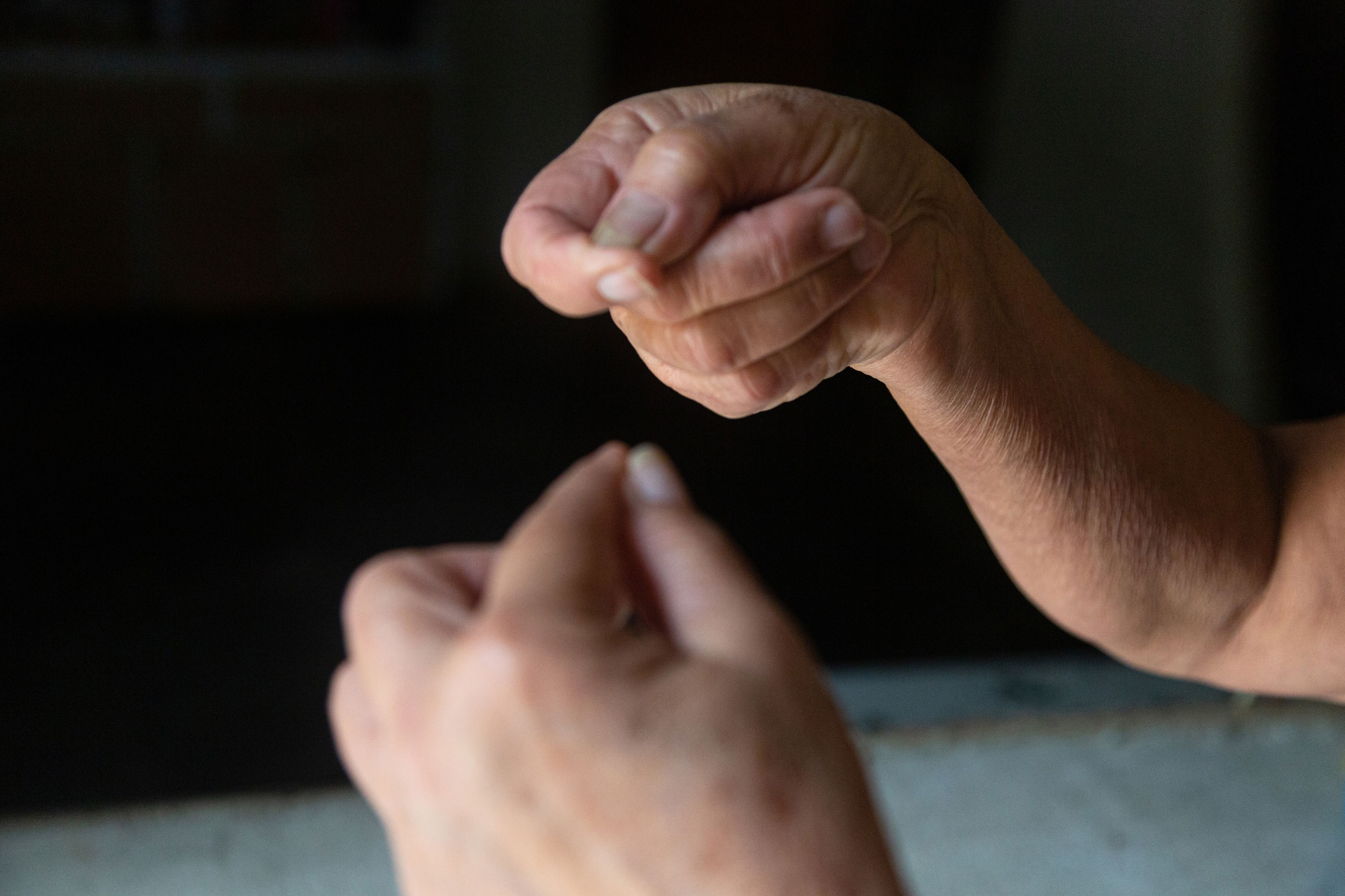
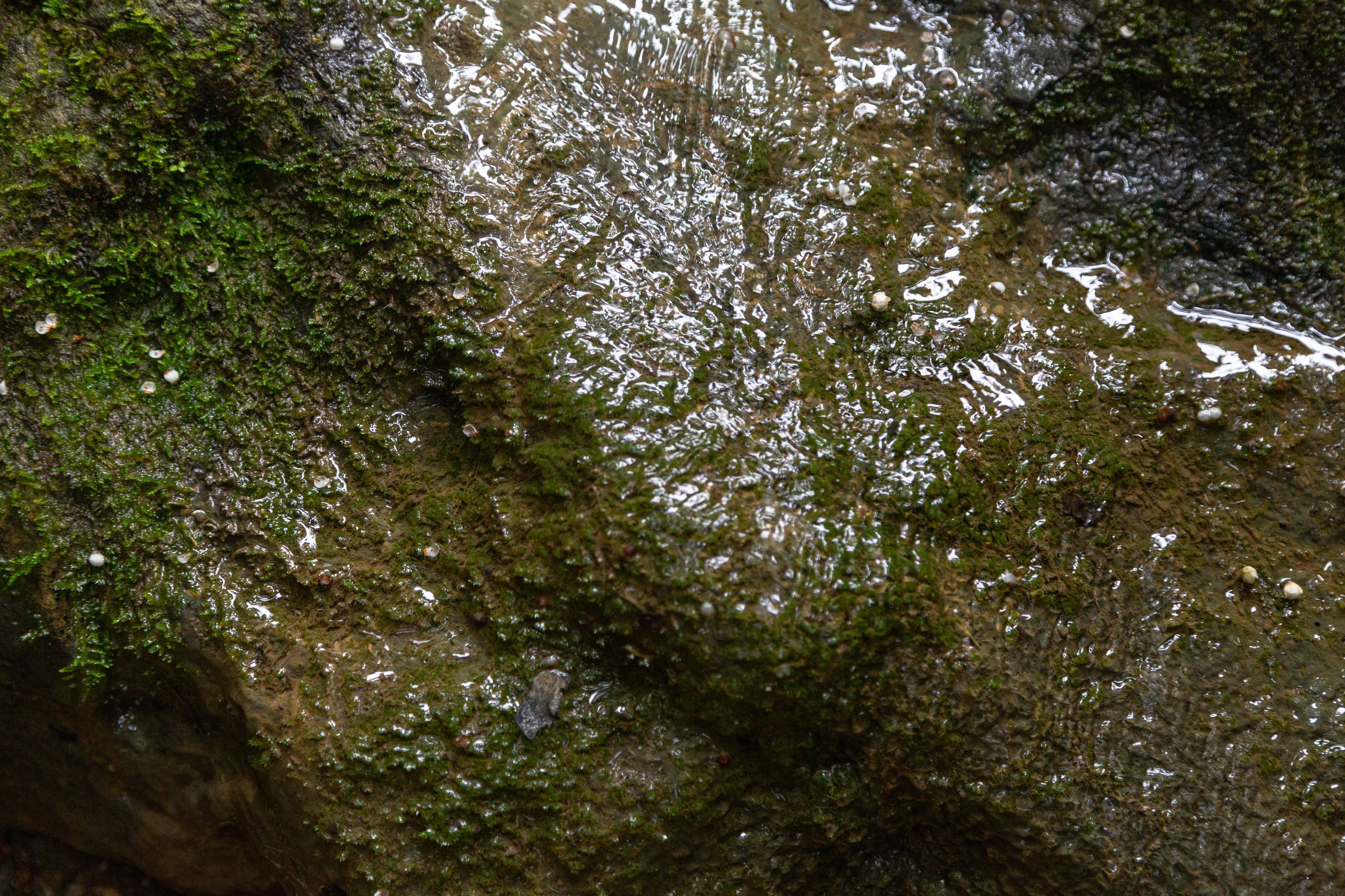
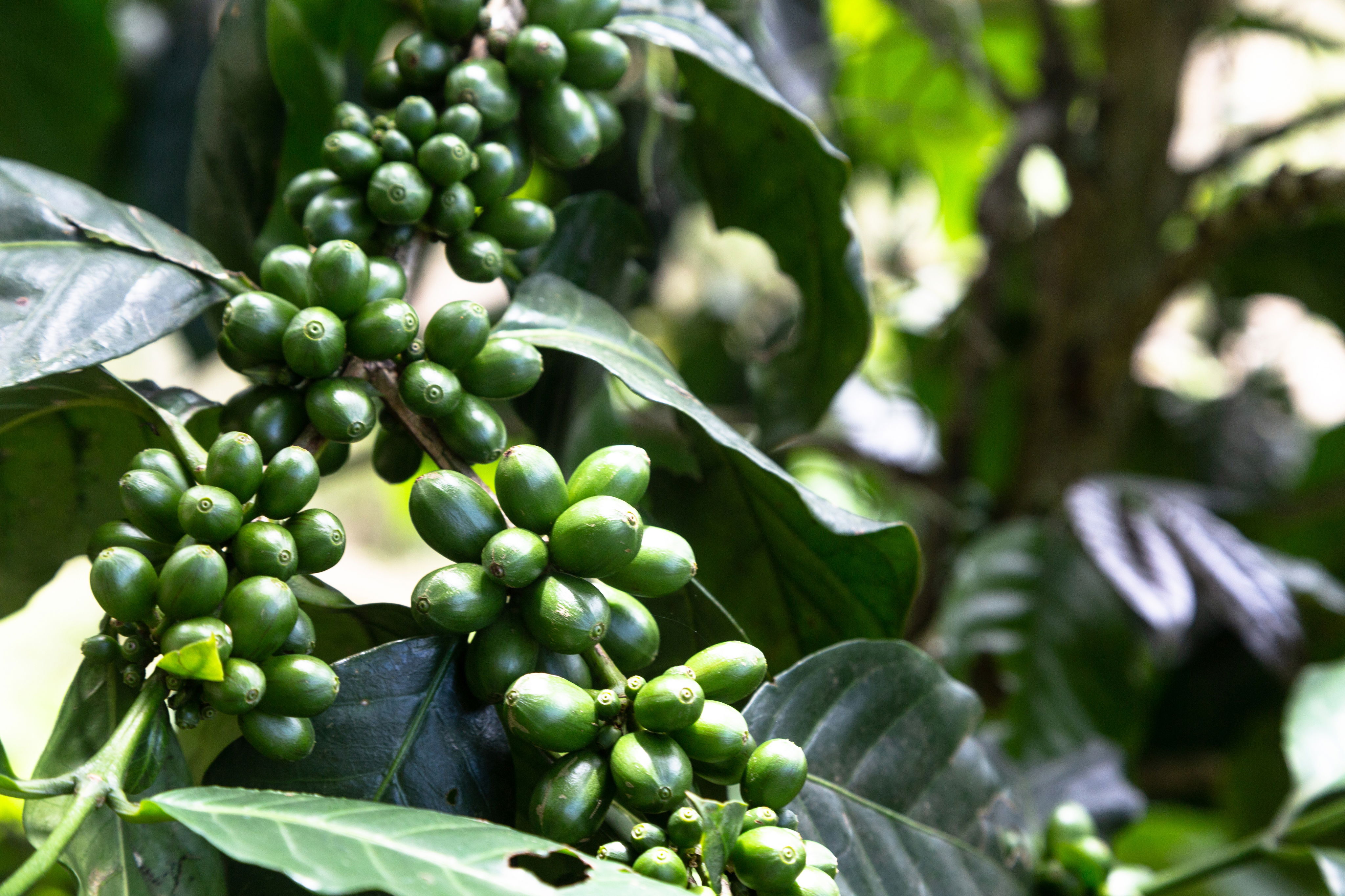
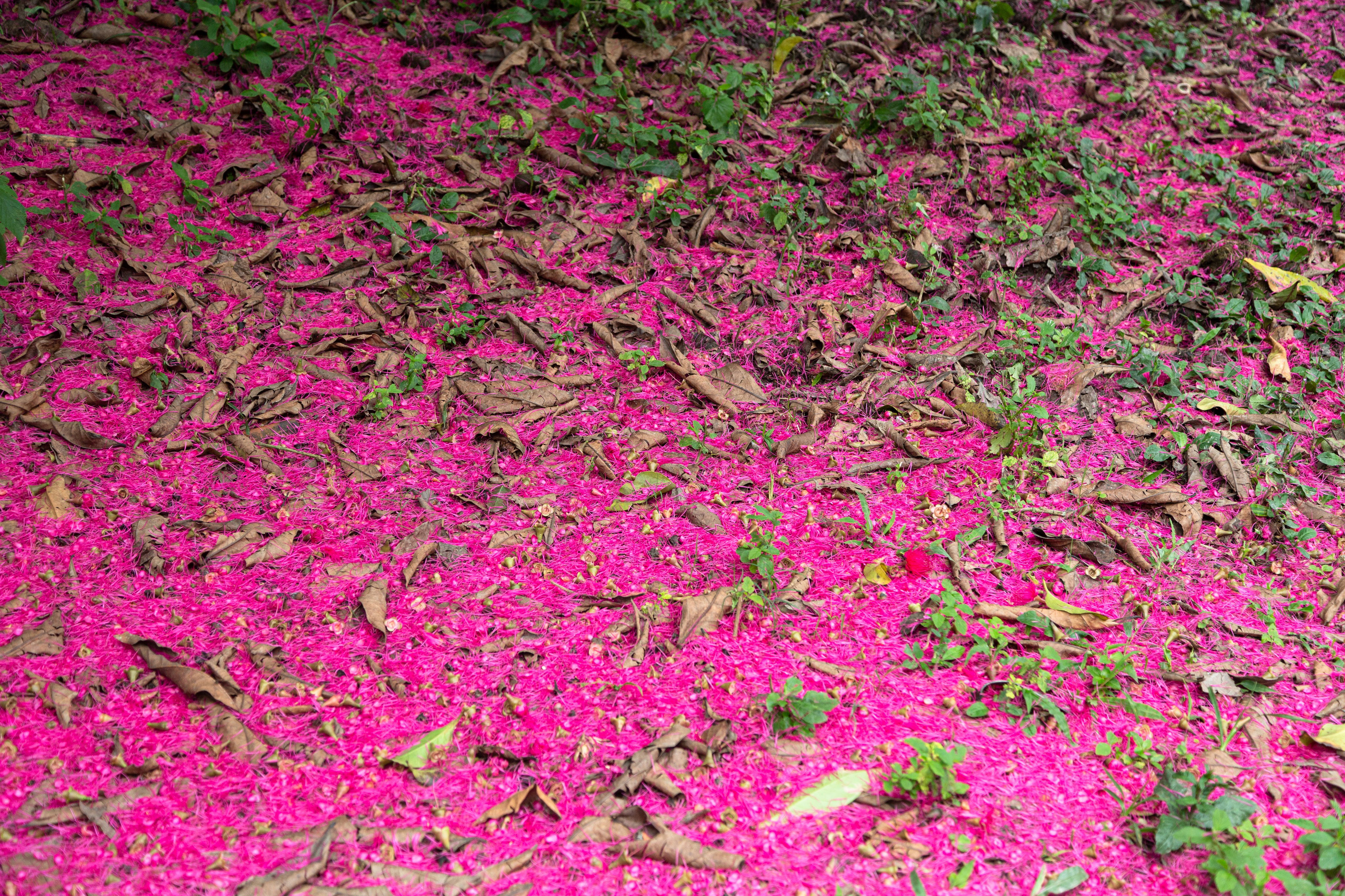
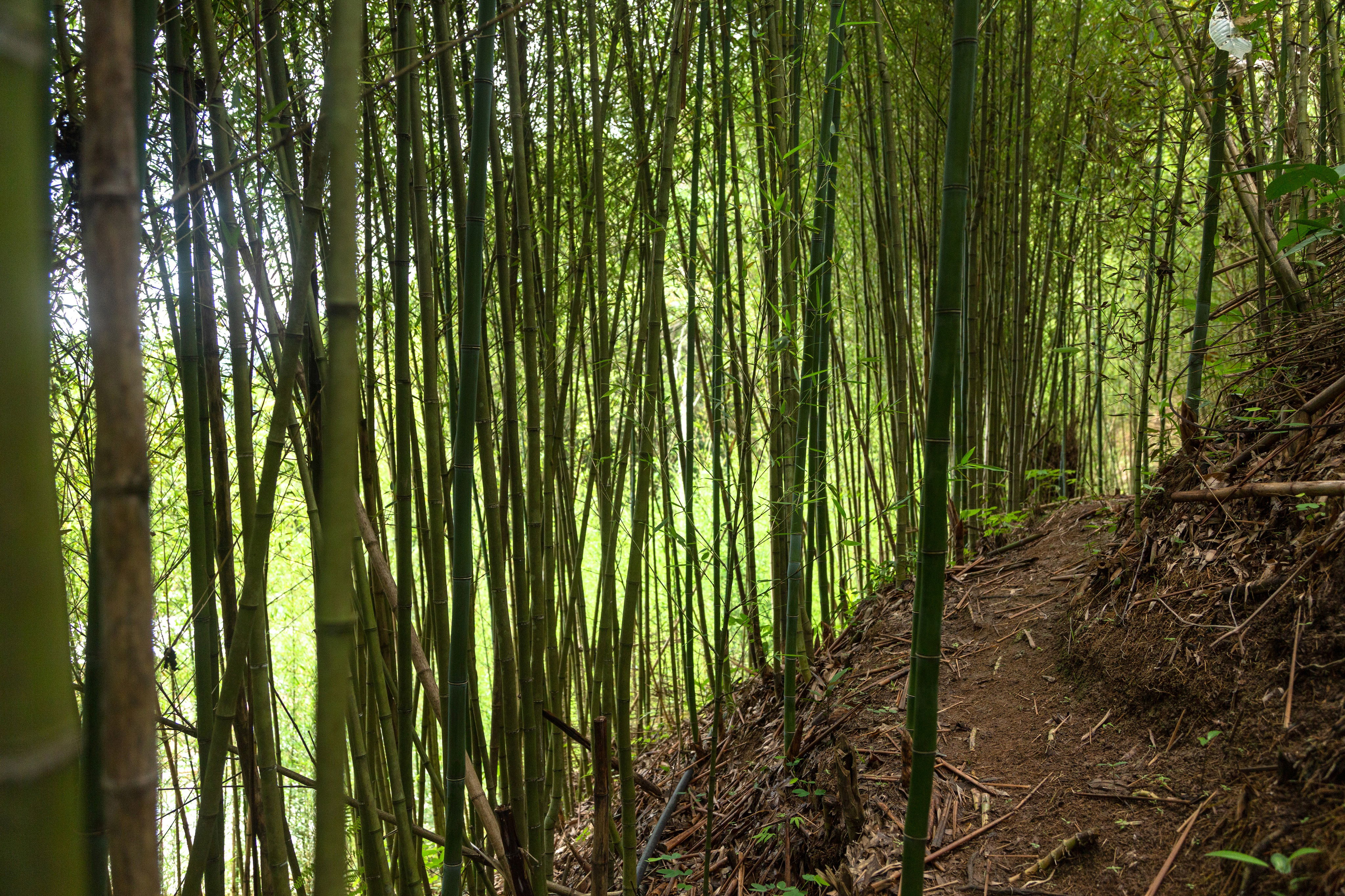
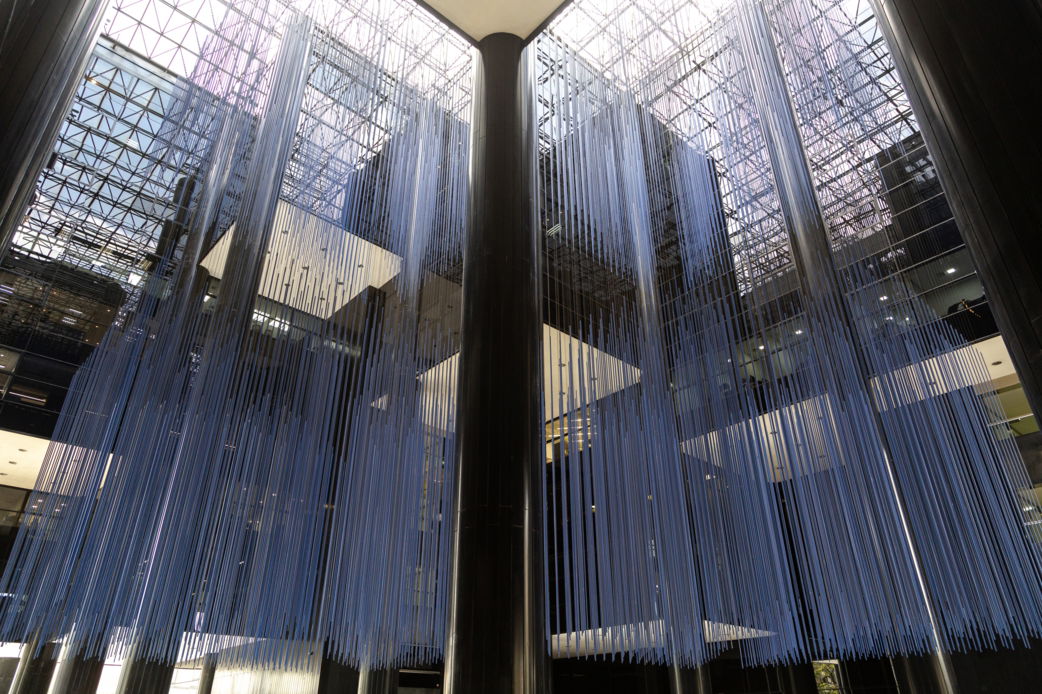
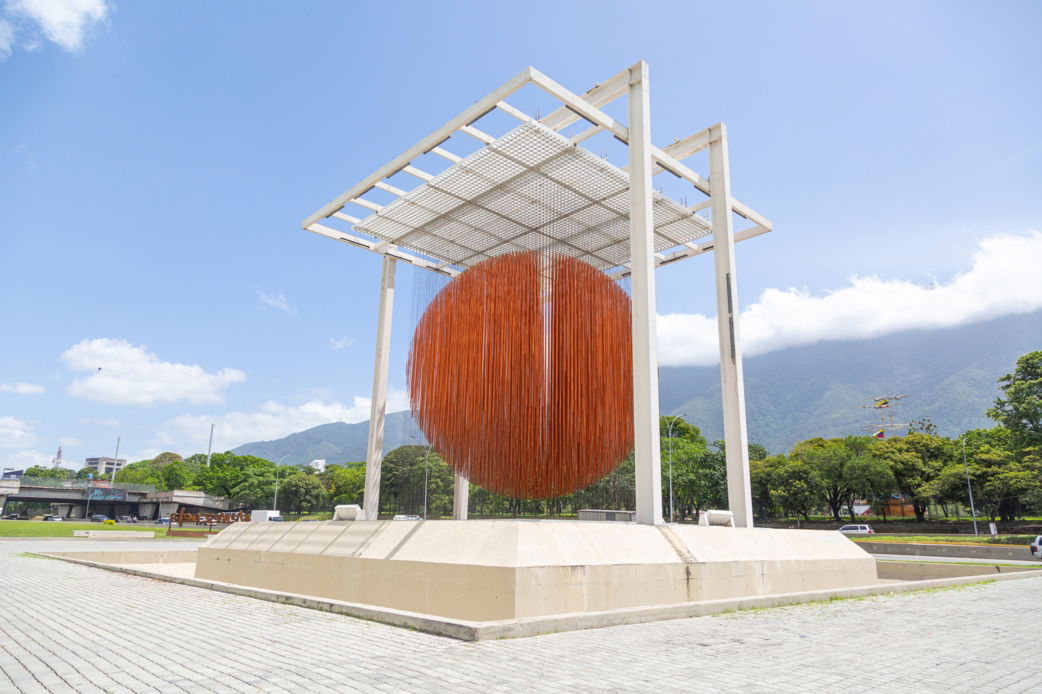
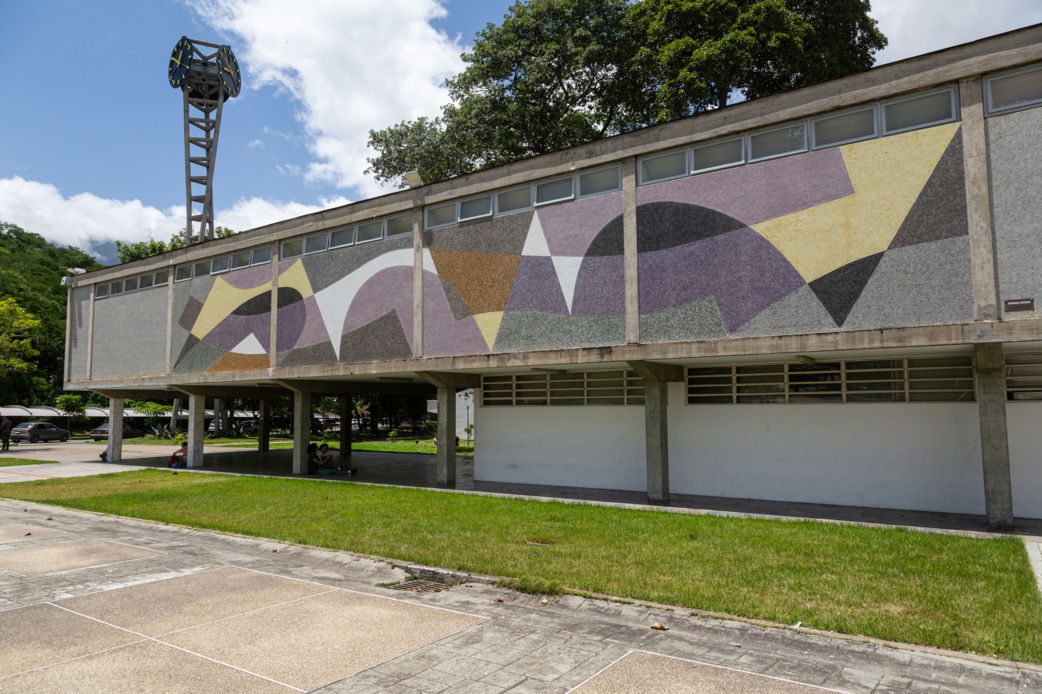
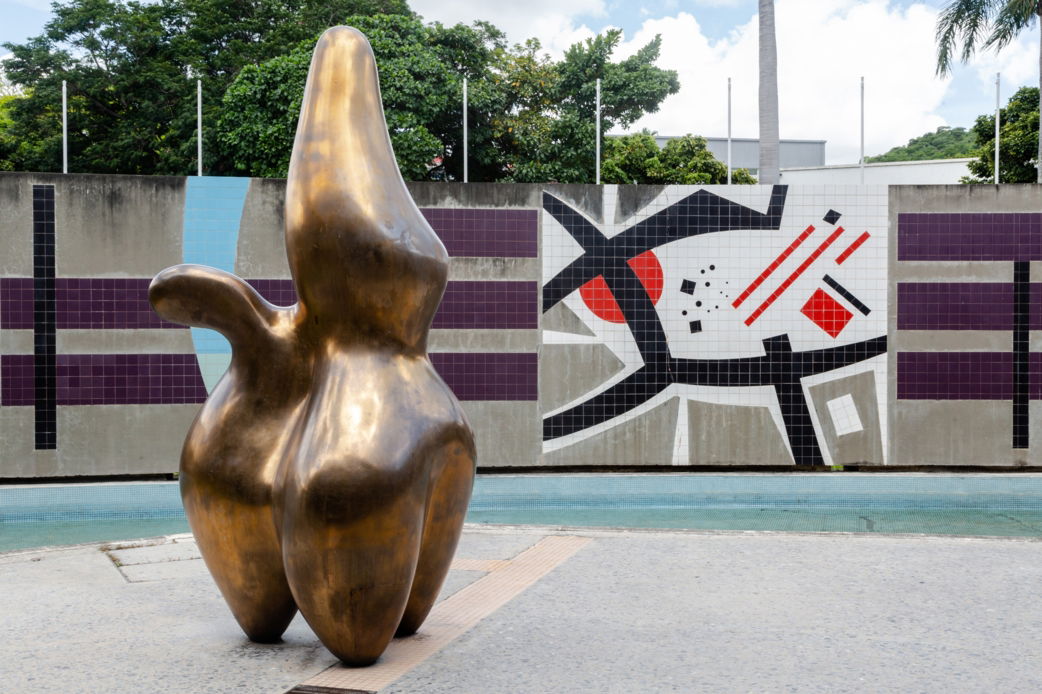
A central component of the publication is the photographic work of Ana Cristina Febrez whose images document both the rural environment of La Eneca and the modernist monuments of Caracas. Her contribution includes more than forty photographs that anchor the visual and historical tension between landscape, identity, and national symbolism.
The edition also features the editorial design of Raphael Reichl, whose structure and typographic system define the architectural logic of the book and its dialogue between image, memory, and political history.
This section of the website must clearly reflect the book’s identity as a research- driven, bilingual publication that blends biography, aesthetic analysis, and visual archive.
Credits
Author
Damián Suárez
Editor
William Aranguren
Editorial Design
Raphael Reichl
Photography of La Eneca and Caracas
Ana Cristina Febres
Portraits
Alex Raduán (p. 9)
Verónica Paredes (p. 48)
Silvio Balladares (pp. 145, 166)
Cristian Martín (p. 239)
Pol Agustí (back cover)
Photography of Work
Suárez Studios
English Edition
Manuel Díaz Salas-Porras
Printing House
Grupo Fogra S.A. de C.V.
Av. Año de Juárez 223, Granjas San Antonio, Iztapalapa,
09070 Ciudad de México, CDMX
Acknowledgment
Fernando Sulbarán
Manuel Díaz Salas-Porras
Luis Romani
Elena Oropeza
Gabriela Gorab
Fundación Oswaldo Vigas
Fundación Otero-Pardo